

Design and Technology
Intent
At Chapelfield Primary School, we strive for our children to be creative, confident and curious designers and makers who understand how Design and Technology shapes the world around them and its relevance to their everyday lives. With the National Curriculum at its heart, our curriculum covers six key areas: Cooking and Nutrition, Mechanisms, Structures and Textiles along with the Digital World and Electrical Systems (KS2 only).
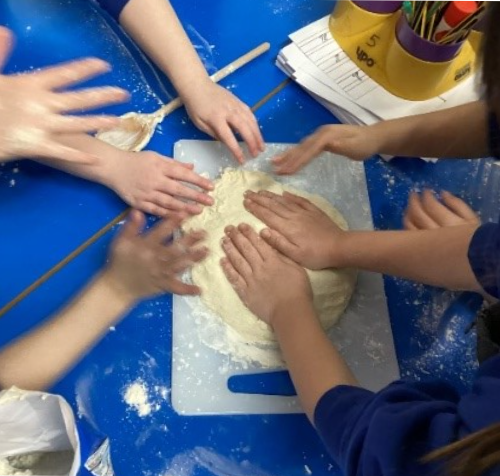
Children follow a progressive design process of research, design, make and evaluate, developing their ability to investigate existing products, generate and communicate ideas and select appropriate materials and techniques to make their products. Pupils are encouraged to take risks, test ideas and evaluate both their own work and that of their peers, recognising that there may be more than one solution to a challenge. Cooking and Nutrition is taught to reflect its importance as a vital life skill where they will also learn where food comes from, understand the principles of healthy and varied diets and develop practical skills in preparing and cooking food safely.
When our children leave Chapelfield, they will have developed creative and practical experience, equipping them to approach challenges with resilience and to participate in an increasingly technological world. We hope they will be reflective, resourceful and capable problem-solvers who feel empowered to design, make and improve products and understand the relevance of Design and Technology, now and in the future.
Implementation — how we teach it
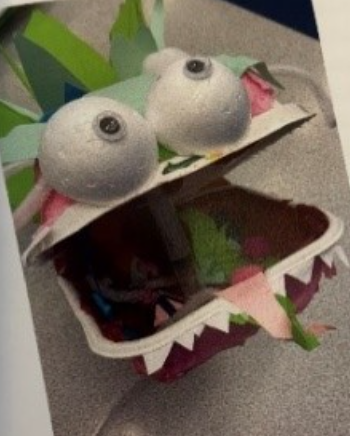
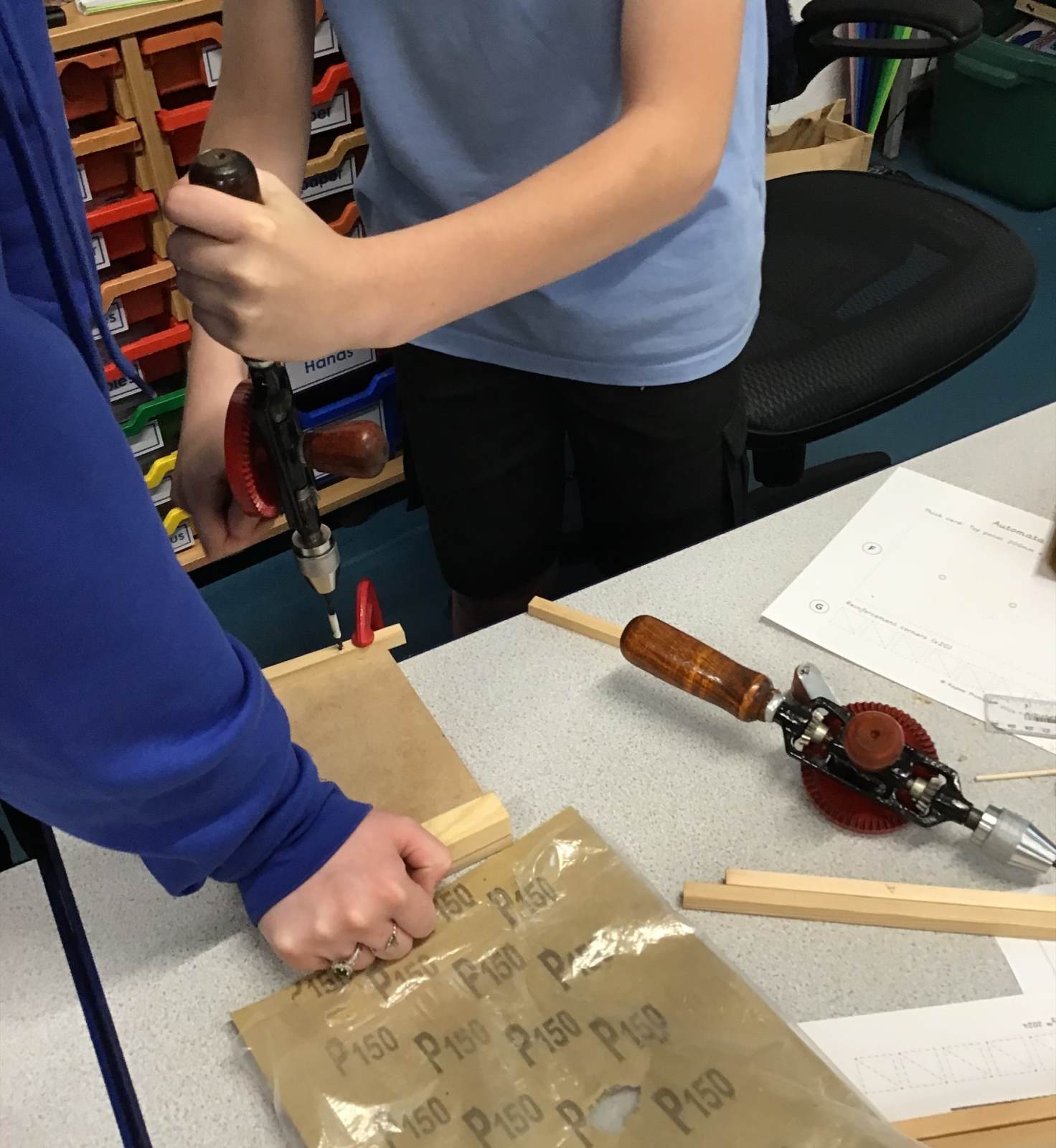
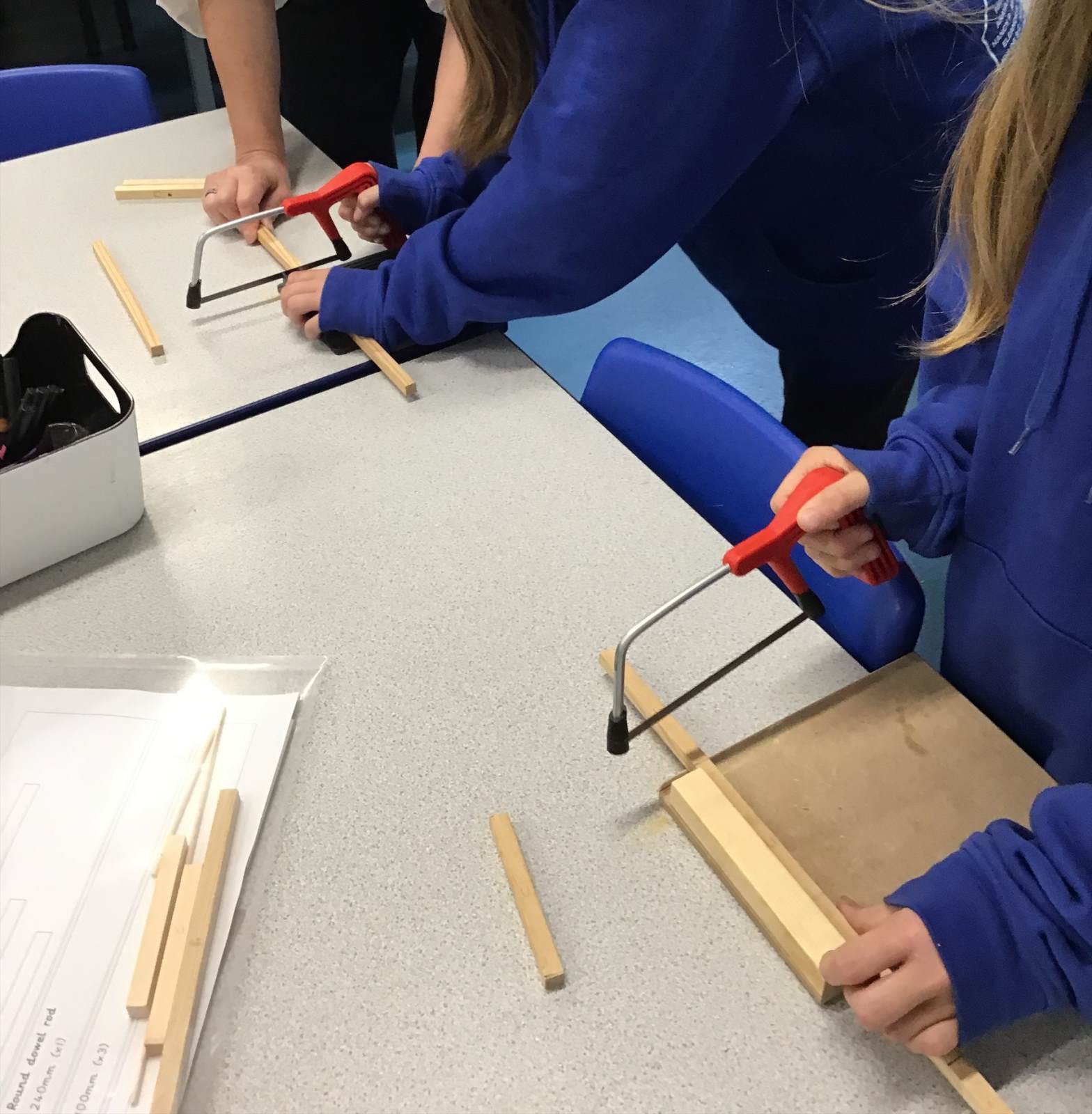
Design and Technology is now delivered using the Kapow Primary scheme of work over two terms a year, following a recent redesign of the curriculum. Kapow meets all National Curriculum requirements and is delivered from Early Years to Year 6, using a spiral curriculum structure to ensure practical skills and subject knowledge are revisited, to allow students to build on prior learning. Every project follows a practical design, make, evaluate and assess cycle with the units covering mechanisms, structures, textiles, cooking and nutrition along with electrical systems and the digital world for KS2. To meet the needs of our cohorts - including but not limited to our SEND, EAL and neurodiverse pupils – our curriculum is built around the principle of inclusive learning, supported by Kapow. Each lesson plan includes explicit adaptation tips to scaffold and challenge appropriately, with a highly visual and practical approach where children are encouraged to use subject-specific vocabulary and immerse themselves into the design process.
Progression and curriculum map – What will my child learn when?
Please see the attached documents for overviews of Cycle A (2027-2028) and Cycle B (2026-2027).
Design and Technology Subject Overview Cycle A
Design and Technology Subject Overview Cycle B
Assessment and Outcomes
Assessment in Design and Technology is ongoing and follows the Kapow Primary Curriculum, focusing on children’s developing knowledge, practical skills and creative development across the four stages of research, design, make and evaluate. Teachers assess pupils through observations, discussions, workbooks and finished outcomes. Children are encouraged to reflect on and evaluate their own work, while teacher assessment is used to inform future teaching and ensure that all pupils make progress and achieve the intended National Curriculum outcomes.
Inclusion and Support
Design and Technology is adapted to ensure that all pupils, including those with SEND, EAL and other additional needs, can access and participate fully in practical learning. Our curriculum and Kapow support this through:
- clear lesson structures, practical activities, visual resources, teacher modelling and opportunities for repetition and reinforcement.
- Teachers use above resources alongside their knowledge of individual pupils to provide appropriate scaffolding and support.
- Where necessary; we provide additional adult support, alternative equipment, visual instructions, simplified steps and pre-teaching of key vocabulary used to remove barriers to learning.
- Pupils are encouraged to communicate their ideas and evaluate their work in ways that are accessible to them.
Subject Lead Contact
Please contact Miss Hussain via the school office at chapelfield@bury.gov.uk or 0161 723 5519.